
From Passion to a Growing Dairy Brand: Rebeca Hernández on Building Amanenn with Milky FJ 100 C.
Many dairy businesses begin with a love for the craft – for quality ingredients, tradition, and the transformation of simple raw materials into something meaningful. For Rebeca Hernández, this passion deepened during her time in Rennes, France, where she immersed herself in the local butter-making culture and discovered the Breton word “Amanenn,” meaning butter. What began as admiration gradually transformed into a vision.
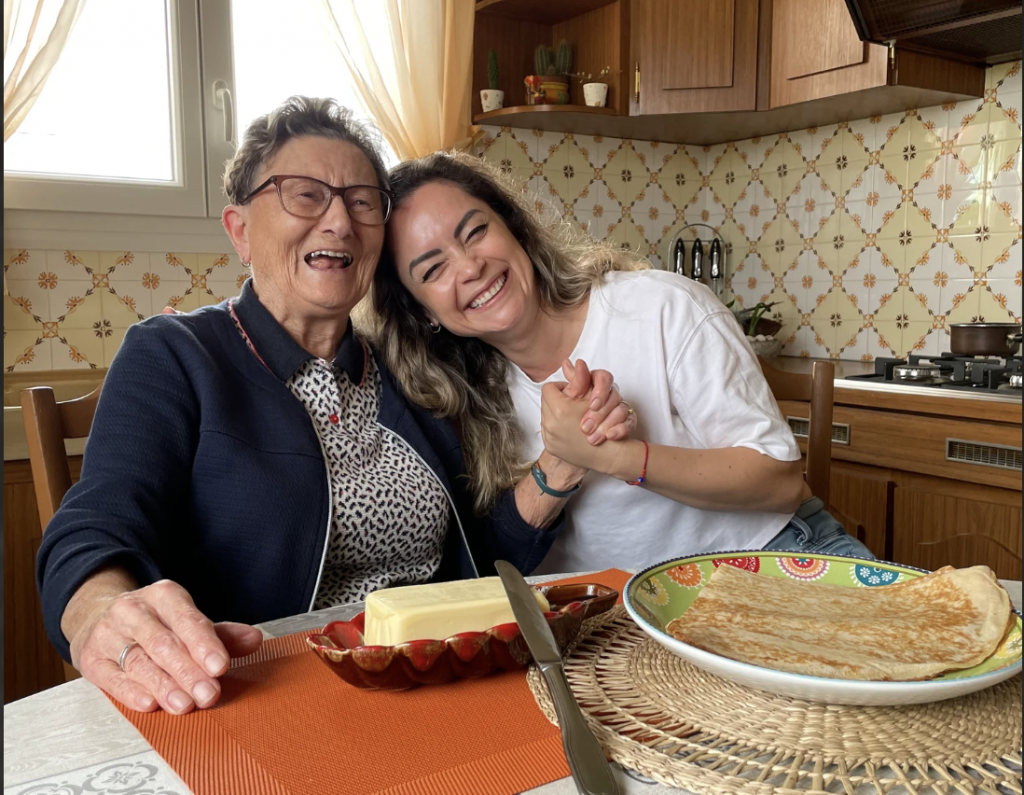
Years later, that inspiration became Amanenn – an artisanal dairy brand in Mexico rooted in respect for process and origin.
As the brand grew, so did the responsibility to maintain quality at a larger scale. Working professionally in the dairy industry made Rebeca realize that preserving the integrity of her butter while increasing production required thoughtful refinement of her workflow. Consistency, efficiency, and care had to evolve together.
Choosing the Milky FJ 100 C TM butter churn became a natural step in supporting this growth while remaining true to her values.
In this interview, Rebeca shares how passion evolved into a brand, and how thoughtful improvements helped her scale without losing the essence of Amanenn.
Interview with Rebeca Hernández
Why did you decide to start a dairy business
“Because I lived in France, where I was luckily introduced to butter. I was amazed by how tasty it was, so I started consuming it regularly. Once I headed back to Mexico, my country, I started making butter for my own consumption. Friends started asking me to sell it to them, so I started my business thinking it might become a success, and it did.”
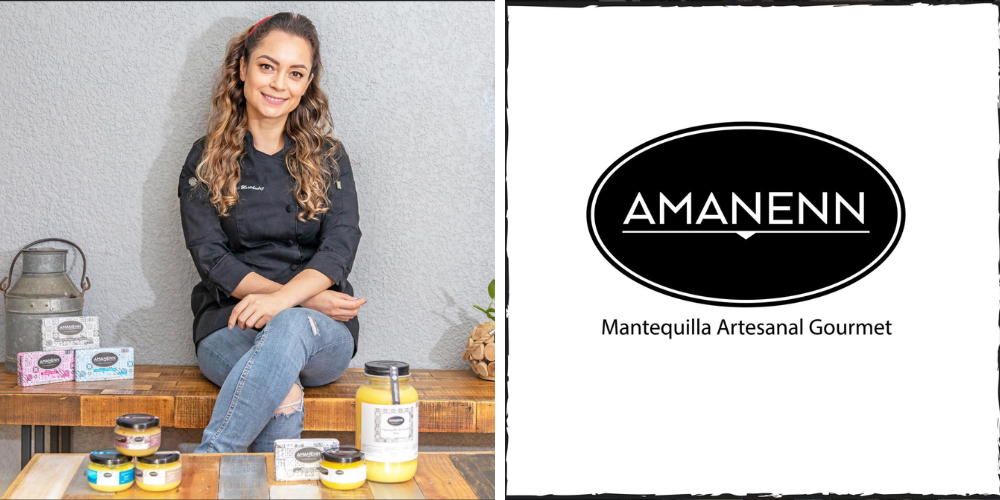
What dairy products do you produce?
“I sell cream, but I produce butter and ghee. These last ones come with different ingredients added to them.”
How many animals do you have, and what breeds do you raise? Why did you choose these particular breeds?
“I do not possess animals or a farm yet. I have a dark kitchen (a production-only commercial kitchen without a storefront, used exclusively for preparing products for retail or delivery) where we produce, and then we deliver mainly to restaurants and hotels, and also to gourmet stores.”
What were the biggest challenges you faced when starting your business, and how did you overcome them?
“Money, barcodes, and the labeling of the products so that they could comply with Mexican regulations.”
What are the biggest challenges you face now, and how are you tackling them?
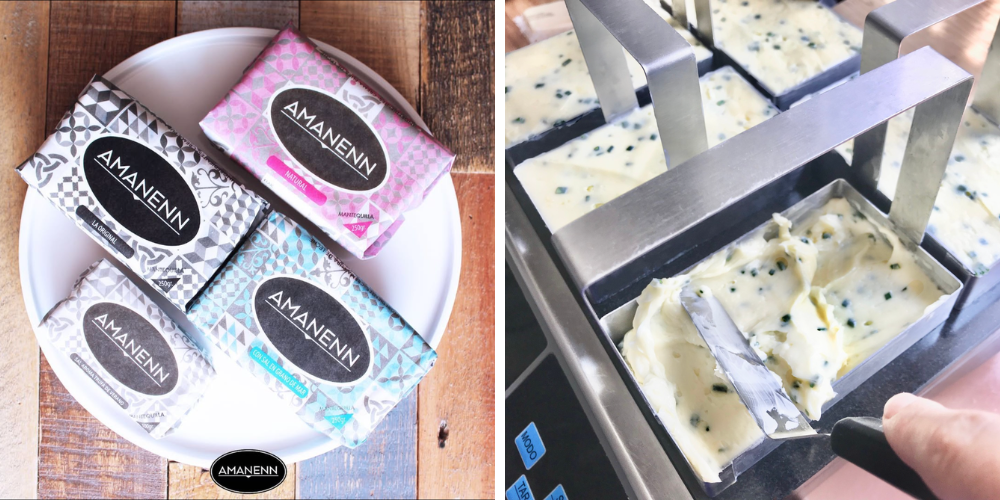
“My business is growing fast, so I believe my next challenge will be migrating from steel molds, which take some time for the butter to harden so it can be unmolded into a rectangular shape, to silicone molds. This will save time during unmolding.”
What has been your proudest moment so far?
“I’m not a farmer, but my proudest moment has been migrating my business from my apartment to a dark kitchen. Also, importing a butter-making machine allowed us to work much faster.”
Have you faced any surprises or lessons in your journey?
“Yes, of course. Mostly, if you don’t dare to take the next big step, you can easily get stuck, as I did. Since 2018, I had my business at home. It was in September 2024 that I moved out, and I couldn’t be happier. Since then, my sales have more than doubled. It’s all about attitude if you already have a great product.”
How do you handle challenges like fluctuating milk prices or changing regulations?
“For me, it’s mostly the price changing every year, and sometimes twice a year. What I do is protect myself with a higher selling price, since I communicate that my butter is artisanal, made 100% from cow milk, with no additives, and that the molding process is done by hand. This has been a plus for me.”
Who are your main customers, and how do you connect with them?
“Restaurants, boutique hotels, and gourmet stores.
I dine at places where I want to sell my butter and then ask to be introduced to the chef. Also, being on Amazon and Mercado Libre (the largest online marketplace in Latin America) has given me more exposure. For now, I’m not very interested in running campaigns on Facebook or Instagram.”
Which of your products are the most popular, and why do you think customers love them?
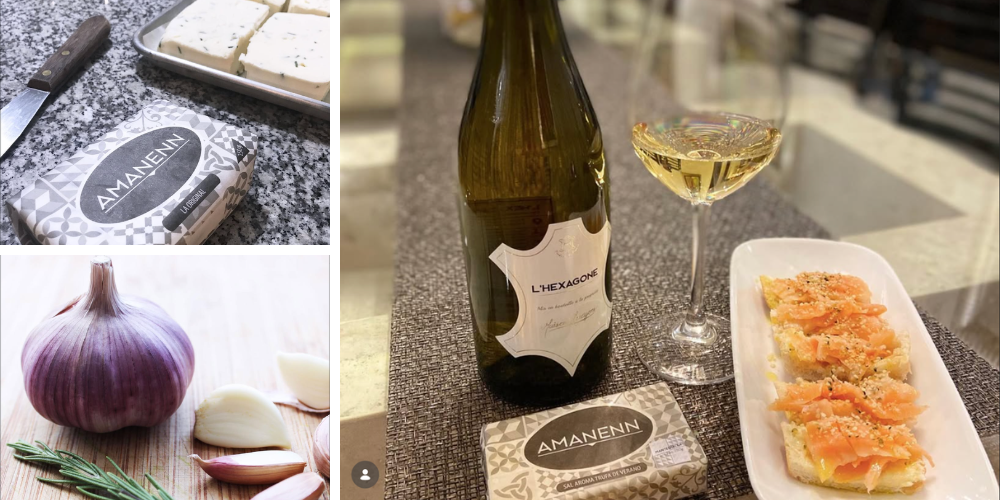
“Butter with garlic, chives, and fleur de sel. It’s easy to eat with a piece of fresh bread and a glass of wine or your favorite alcoholic drink. This butter is my first recipe. People also love it because you can add it directly to food.”
What are your short-term and long-term goals for your business?
“Short-term: buy another fridge and freezer, get my silicone molds, and sell the 2 kg and 5 kg versions of dried butter.
Long-term: hire one more person and open a store or coffee shop where everything I sell is dairy-based: yoghurt, cakes, plus my butter, cream, and ghee.”
What advice would you give to someone considering starting their own micro-dairy business?
“Look around and see who your competition is, and figure out what your added value will be.
Get a loan — it’s scary, but easier.
Get a specialist to help you set your costs and potential prices.
Hire people who really need it: elderly people, people getting out of jail, people with Down syndrome.”
Do you have any favorite recipes or tips for using your dairy products?
“Just a fresh baguette with my garlic butter and a glass of whisky — a-ma-zing!
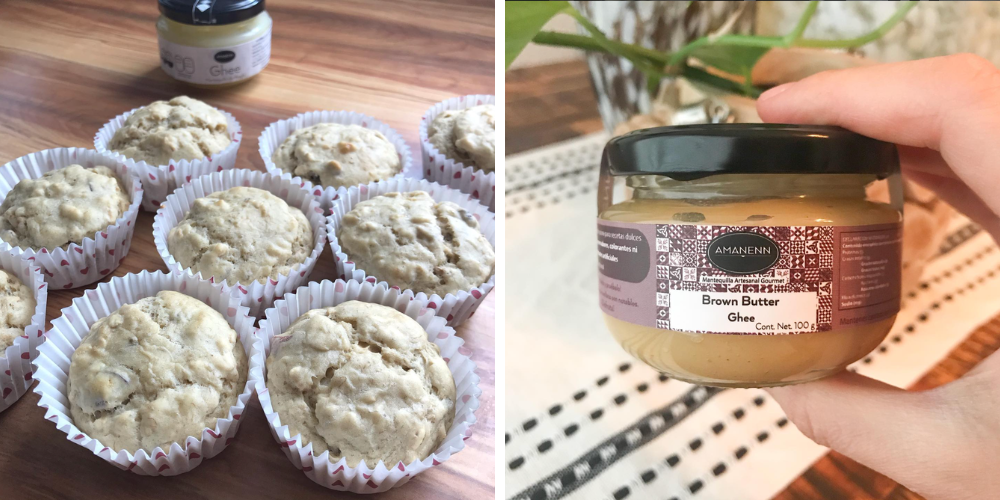
Also, add my ghee brown butter to a cookie recipe instead of regular butter. It gives a great, natural hazelnut aftertaste. Ghee is a perfect substitute for butter.”
Supporting Growth with the Right Equipment
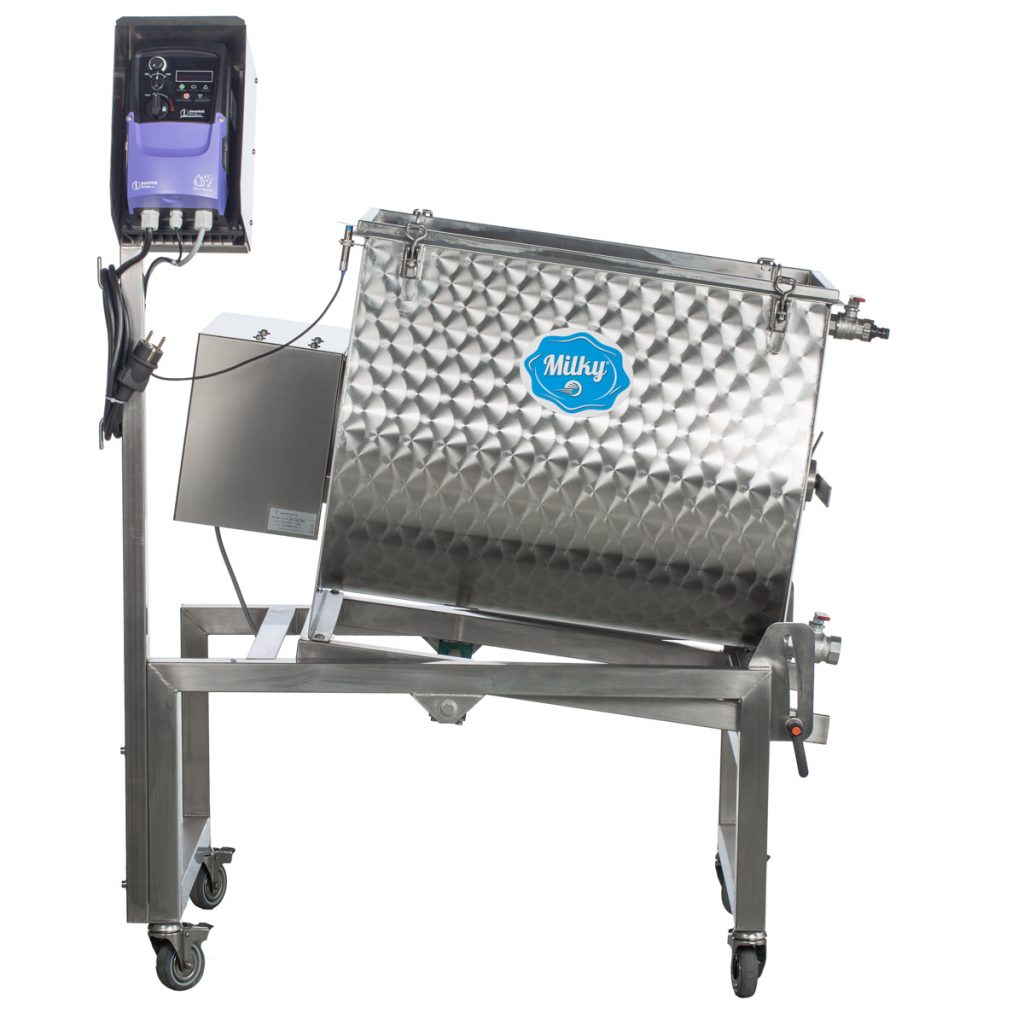
For Rebeca, choosing a butter churn with a tilting mechanism was not just about increasing capacity; it was about improving daily workflow.
The Milky FJ 100 C is designed to simplify one of the most physically demanding steps in butter production: unloading the finished butter. Unlike standard models, its container can be safely tilted forward, allowing the butter to be discharged quickly and cleanly. This reduces manual handling, shortens time between batches, improves hygiene, and lowers physical strain on the operator – an important advantage as production volumes grow.
The FJ 100 C processes up to 50 liters (13.2 gallons) of cream per batch and produces butter in approximately 20–30 minutes, with a butter yield of 35–42%. Made of stainless steel and equipped with wheels for mobility, it also features a high-quality motor with a speed regulator, a buttermilk outlet, a cold-water inlet, a water-layer system, and a safety mechanism that prevents operation when the lid is open. The machine comes with a 2-year warranty.
For growing artisanal producers like Amanenn, solutions like this help maintain consistency and craftsmanship while supporting efficient expansion.
To learn more about the Milky FJ 100 C and other Milky equipment, visit milkyday.com or contact the team via online chat or at wesell@milkyday.com
Learn more about Amanenn
🌐 Website: https://amanenn.com/
📸 Instagram: https://www.instagram.com/amanenn_/
📘 Facebook: https://www.facebook.com/amanenngourmet/